
Need Answers to Past Papers?
Get accurate answers for KCPE, KCSE, CDACC, KPSEA, KNEC, Edexcel, and more exams. Contact us now for quick help!
Contact Us on WhatsAppPAY ATTENTION: JOIN US ON WHATSAPP TO ACCESS RECENT PASTPAPERS & NOTES
This comprehensive guide breaks down the complete costs of pursuing hairdressing training in Kenya, from course fees to equipment expenses. Whether you’re planning to enroll in a beauty college in Nairobi, Mombasa, or any other town, you’ll find detailed pricing information to help you budget for your hairdressing education and make informed decisions about your career investment.
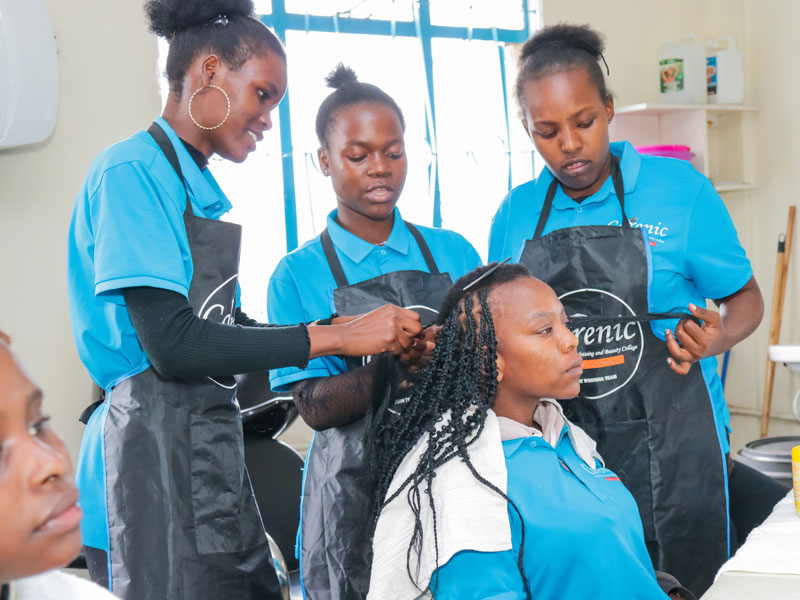
Hairdressing is one of the most popular skill-based careers in Kenya today. It is a practical profession that offers flexible work options, quick income opportunities, and a chance to be self-employed. From salons in cities like Nairobi, Mombasa, and Kisumu to small shops in towns and villages, hairdressers are in demand across the country.
If you are a student, job seeker, or youth looking to build a career through hands-on training, hairdressing is a great option. One of the most common questions asked by learners and parents is: How much does it cost to study hairdressing in Kenya?
In this article, we break down the cost of studying hairdressing in different types of institutions, what the fees cover, how long courses take, and where you can find quality training in Kenya.
Why Study Hairdressing in Kenya?
Before looking at the fees, it’s important to understand the value of learning hairdressing.
Benefits of studying hairdressing:
Quick skill acquisition (some courses take just 3 months)
High demand in urban and rural areas
Can start your own salon or mobile beauty business
Affordable compared to university degrees
Creative and flexible career path
Just as students search for accredited institutions offering mechanical engineering in Kenya for reliable training, aspiring beauticians and stylists also need trusted institutions to gain quality skills.
Types of Hairdressing Courses in Kenya
Hairdressing programs vary depending on the level of training, the institution, and the course structure.
The most common types include:
Short Courses: Focused training on specific skills like braiding, dreadlocks, or styling
Certificate Courses: Covers basics of hairdressing, safety, and customer care
Diploma Courses: More advanced, including salon management and modern techniques
Some schools also combine hairdressing with beauty therapy for a more complete training experience.
Cost of Studying Hairdressing in Kenya
The cost of hairdressing training in Kenya depends on several factors:
Type of course (short course, certificate, or diploma)
Type of institution (TVET college, private beauty school, or NGO program)
Duration of training
Location of the school
Let’s explore the average fees based on the type of course:
1. Short Courses (1 week to 3 months)
These courses focus on specific skills like plaiting, weaving, or basic salon services.
Average cost:
Ksh 5,000 to Ksh 15,000
Examples of what is covered:
Braiding and cornrows
Shampoo and treatment
Blow drying and styling
Client care and hygiene
2. Certificate in Hairdressing (3 to 6 months)
This is a popular choice for beginners who want to enter the industry quickly.
Average cost:
Ksh 20,000 to Ksh 60,000
Includes:
Introduction to hairdressing
Hair cutting, coloring, and styling
Use of salon equipment
Safety and sanitation practices
Some institutions include practical exams and national assessments by NITA (National Industrial Training Authority).
3. Diploma in Hairdressing (1 year or more)
Diploma programs offer in-depth training and often include business and customer management skills.
Average cost:
Ksh 50,000 to Ksh 150,000
May include:
Advanced hair treatments
Professional hair colouring techniques
Salon entrepreneurship and leadership
Internship or work placement
Just like diploma programs at accredited institutions offering mechanical engineering in Kenya, these courses prepare learners for full-time employment or business ownership.
Other Costs to Consider
Besides tuition fees, there may be additional costs such as:
Registration fees: Ksh 1,000 to Ksh 5,000
Uniforms and salon kits: Ksh 3,000 to Ksh 10,000
Examination fees (NITA or TVET CDACC): Ksh 3,000 to Ksh 7,000
Tools and supplies: Combs, scissors, shampoos, and other materials may be required
Some institutions include tools in their fees while others require students to buy them separately.
Best Institutions Offering Hairdressing Courses in Kenya
Here are some trusted institutions where you can study hairdressing:
1. Vera Beauty College – Nairobi, Thika, Meru, Nyeri
Offers certificate and diploma in hairdressing and beauty therapy
Modern salons for training
Well-known for professional training
Fee range: Ksh 35,000 to Ksh 100,000
2. Ashley’s Hair and Beauty Academy – Nairobi and Mombasa
Offers short and advanced courses
Focus on modern trends and international standards
Fee range: Ksh 30,000 to Ksh 150,000 depending on course
3. NIBS Technical College – Nairobi and other branches
Offers NITA-approved certificate and diploma programs
Facilities for real salon practice
Fee range: Ksh 25,000 to Ksh 80,000
4. East Africa Institute of Certified Studies (ICS College) – Multiple locations
Offers artisan, certificate, and diploma courses in hair and beauty
Exam preparation and certification support
Fee range: Ksh 20,000 to Ksh 90,000
5. YMCA College of Hairdressing and Beauty – Nairobi
Popular for affordable artisan-level training
Ideal for young women and youth seeking quick skills
Fee range: Ksh 10,000 to Ksh 40,000
6. Government TVET Centres and Polytechnics
Examples include Nairobi Technical Training Institute, Thika Technical, and Kisumu National Polytechnic
Offer affordable and recognized training with certification
Fee range: Ksh 15,000 to Ksh 60,000
Like TVET mechanical engineering programs, these public institutions are reliable for skill-based training.
Funding and Scholarships
If cost is a concern, here are some ways to reduce expenses:
Apply for government scholarships through HELB for TVET students
Join youth empowerment programs offering free hairdressing training (e.g. GIZ, Kuza Project, or county initiatives)
Look for NGOs and churches that offer free short courses
You can also pay in installments at many schools or choose part-time classes.
Conclusion
The cost of studying hairdressing in Kenya is affordable compared to other career options. Whether you choose a short course, a certificate, or a diploma program, you can gain valuable skills that lead to immediate income or employment.
Make sure to choose a school that is recognized, has good facilities, and offers practical training. Hairdressing is more than a job. It is a skill you can take anywhere — in Kenya or beyond.
If others can find success by studying at accredited institutions offering mechanical engineering in Kenya, you too can build your future through quality hairdressing training.
Start your journey today. Learn the skill. Grow your career. Live your dream.
Frequently Asked Questions
Can't find what you're looking for? Contact us
