
Need Answers to Past Papers?
Get accurate answers for KCPE, KCSE, CDACC, KPSEA, KNEC, Edexcel, and more exams. Contact us now for quick help!
Contact Us on WhatsAppPAY ATTENTION: JOIN US ON WHATSAPP TO ACCESS RECENT PASTPAPERS & NOTES
This comprehensive guide provides Kenyan students with essential information about pursuing welding certification and building a successful career in this high-demand field. You’ll learn about training pathways, certification processes, costs, and employment opportunities available across Kenya’s growing industrial sectors.
Welding is one of the most in-demand skill-based careers in Kenya today. With the rise of construction, manufacturing, automotive repair, and infrastructure projects, the need for skilled and certified welders is growing rapidly. For young Kenyans looking for a hands-on, high-demand job, becoming a certified welder offers a practical and rewarding career path.
This guide will walk you through everything you need to know to become a certified welder in Kenya. From training options and certification requirements to job opportunities and career growth, we’ve got you covered.
Why Welding is a Great Career in Kenya
Welding is more than just joining metal. It is a technical skill that plays a vital role in the development of Kenya’s economy. Certified welders are needed in sectors like construction, road and bridge building, oil and gas, shipbuilding, and even agriculture.
With many young people looking for stable and well-paying jobs, learning welding can open doors to employment, self-employment, and even opportunities abroad.
What Does a Certified Welder Do?
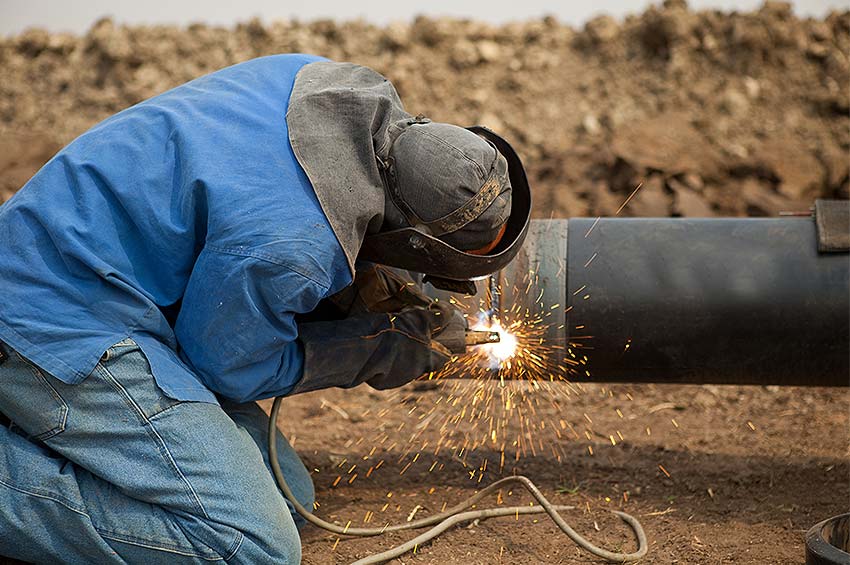
A certified welder uses tools and machines to join metal parts through various techniques such as arc welding, MIG welding, and TIG welding. Their work must be strong and precise, often following technical drawings or safety standards.
Typical tasks include:
Cutting and shaping metal pieces
Operating welding equipment
Reading and interpreting blueprints
Inspecting finished welds for quality and safety
Step-by-Step Guide to Become a Certified Welder in Kenya
1. Meet the Basic Entry Requirements
To pursue a welding course in Kenya, you need:
KCPE or KCSE certificate
Passion for hands-on work
Good eyesight and coordination
Physical fitness and stamina
For artisan-level welding, KCPE is often enough. For higher levels like craft certificate or diploma, KCSE is required.
2. Enroll in a Welding Course
You must train at an accredited institution that offers welding and fabrication courses. These include:
TVET Colleges Offering Welding Courses in Kenya:
Kabete National Polytechnic
Kenya Coast National Polytechnic
Rift Valley Institute of Science and Technology
Kisumu National Polytechnic
Eldoret National Polytechnic
You can choose between:
Artisan Certificate in Welding and Fabrication (6–12 months)
Craft Certificate in Welding and Fabrication (1–2 years)
Diploma in Welding and Fabrication (2–3 years)
These programs are available full-time or part-time and include both theory and practical training.
3. Undertake Industrial Attachment
After completing the coursework, students must go through industrial attachment for hands-on experience. This helps you:
Learn real-world applications
Improve your skills
Understand workplace safety
Build professional networks
Attachments can be done at:
Construction companies
Welding workshops
Manufacturing plants
Government institutions like Kenya Railways or KURA
4. Get Certified by a Recognized Body
To become a certified welder in Kenya, you must be assessed and approved by a recognized body. The most common option is Kenya National Examinations Council (KNEC).
Certification is based on:
Written and practical exams
Project work
Portfolio assessment
You will receive a National Trade Test Certificate or a Craft/Diploma Certificate depending on your level. These documents are essential when applying for welding jobs in Kenya or abroad.
5. Start Your Welding Career
Once certified, you can begin working as a professional welder. Options include:
Employment Opportunities:
Construction companies
Metal fabrication firms
Transport industry (vehicle body building)
Government projects
Self-Employment Options:
Open your own welding workshop
Offer mobile welding services
Take contracts in housing and infrastructure projects
Welders in Kenya earn between Ksh 15,000 to Ksh 50,000 per month depending on skills, location, and job type. Highly skilled or specialized welders can earn even more.
Tips to Succeed as a Welder in Kenya
Upgrade your skills regularly. Learn new techniques like gas welding or stainless steel fabrication.
Follow safety standards. Welding can be risky without proper protection.
Join SACCOs or cooperatives to access tools and group contracts.
Consider international certification if you plan to work abroad.
Challenges Faced by Welding Students in Kenya
Some common obstacles include:
Lack of proper tools and equipment in some schools
Limited access to industrial attachment opportunities
Inadequate safety training in certain institutions
To overcome these, always choose a registered, well-equipped institution. You can also seek mentorship from experienced welders or join local youth groups involved in metalwork.
Conclusion
Becoming a certified welder in Kenya is a great way to build a successful career with your hands. With the right training, certification, and commitment, you can earn a good income, work on major projects, or even start your own business. Welding is a skill that will always be in demand, so start your journey today.
Useful Tip: Visit a local TVET centre and ask about their welding programs. Many offer government sponsorship or bursaries through the Ministry of Education or the County Government.
Frequently Asked Questions
Can't find what you're looking for? Contact us
